My chess journey: from childhood confusion to strategic revival
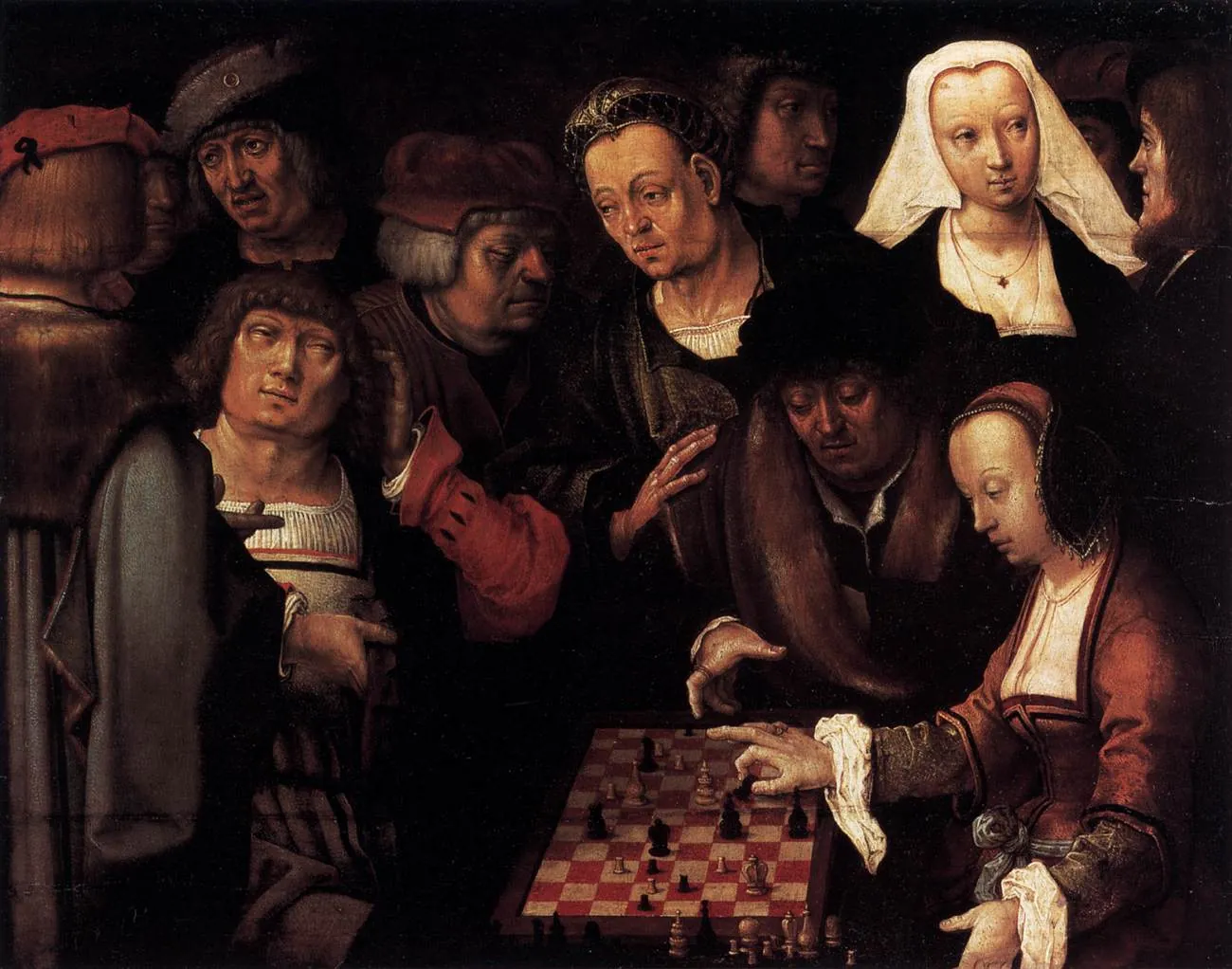
It all started in primary school, when I convinced my parents to buy me a chess board. I was fascinated by the elegant pieces and the idea of a battle of wits. There was one major problem: I never actually learned how to play.
I just moved pieces around, convinced I understood the game. Spoiler: I didn’t.
Secondary school: the great chess avoidance
Things came to a head when I played my deskmate. I lost so badly that I didn’t even notice I was in check. The embarrassment was real, and that one defeat made me avoid chess for years. Why play a game you’re that bad at?
The Kakegurui effect
Fast forward to recently. Two things brought me back: Kakegurui and Duolingo.
There’s a chess puzzle in Kakegurui that caught my attention. The strategic thinking, the mind games, the calculated risk. It reminded me of what chess could be. At the same time I was (probably procrastinating) on Duolingo, and somehow the two sparked something.
In this academy, progress isn’t measured by grades, but by how much you’re willing to risk.
So I gave chess another shot.
The comeback: still terrible, but trying
I still lost. A lot. So I started “cheating”. Not the Hyakkaou way: I played with an engine looking over my shoulder and watched what stronger players would do. Slowly, patterns appeared. Then I hit a wall: trial and error wasn’t enough. I needed structure.
A real learning plan
Phase 1: Fundamentals (weeks 1-2)
- Piece movement and values: pawn 1, knight 3, bishop 3, rook 5, queen 9
- Basic checkmates: queen + king, rook + king, two rooks
- Check, checkmate and stalemate: recognise them instantly
- Opening principles: control the centre, develop, castle early
Phase 2: Tactics (weeks 3-6)
- Forks, pins, skewers, discovered attacks, double attacks
- 10-20 puzzles a day
- One tactical pattern per week, until it’s second nature
- Review every game, especially the losses
Phase 3: Openings (weeks 7-10)
- One or two openings as White (the Italian Game, the Queen’s Gambit)
- One or two defences as Black (the Sicilian, the French)
- Learn the ideas, not just the moves
Phase 4: Endgames (weeks 11-14)
- King-and-pawn endings, rook endings, opposition
- Endgame puzzles: often more instructive than middlegame ones
- The principle of two weaknesses
Phase 5: Strategy (weeks 15+)
- Weak squares, pawn structure, piece activity, space
- Annotated master games
- A thinking routine: what is my opponent threatening? what are my candidate moves? which piece is worst placed?
My daily table
- 15 min: puzzles
- 20-30 min: one or two games at 15+10 or 10+0
- 15 min: analysing them with an engine
- 10 min: one concept or one instructional video
Where I am now
I’m working through the plan one phase at a time. It’s structured, it’s complete, and, most importantly, it’s actually teaching me chess instead of letting me push pieces around. Maybe one day I’ll be the one delivering the checkmates.
Chess is not about memorising moves. It’s about understanding ideas and seeing patterns. Once you grasp that, improvement becomes inevitable.
Want a game? Find me on Discord. Challenge accepted, stakes negotiable.